The Science Behind Tree Transplanting: How Buffalo Family Tree Care Ensures Success Jun 07, 2026
When considering tree transplanting, understanding the science behind it is crucial. Trees are living organisms that depend heavily on their environment to thrive. Soil conditions, water availability, sunlight, and climate all play significant roles in their health. This complexity is why a strategic approach is essential when transplanting trees.
The first step in the tree transplanting process is assessing the tree's health and the conditions of the new location. At Buffalo Family Tree Care, we begin with a thorough evaluation of both the tree and the site. Understanding the species' requirements and how the new environment will support it is paramount. Different tree species have varied needs in terms of soil pH, nutrient availability, and sunlight. Our team uses this information to select the optimal site, ensuring the tree can adapt and grow robustly.
Once a suitable location has been identified, the transplanting process begins. A key factor for success is minimizing the transplant shock, which is the stress a tree undergoes when it is moved. To mitigate this, our arborists carefully plan the timing of the transplant. The best times are generally during the dormant seasons, such as early spring or late fall, when a tree's growth is paused, and it’s less reliant on water and nutrients as it is during the active growth period in summer.
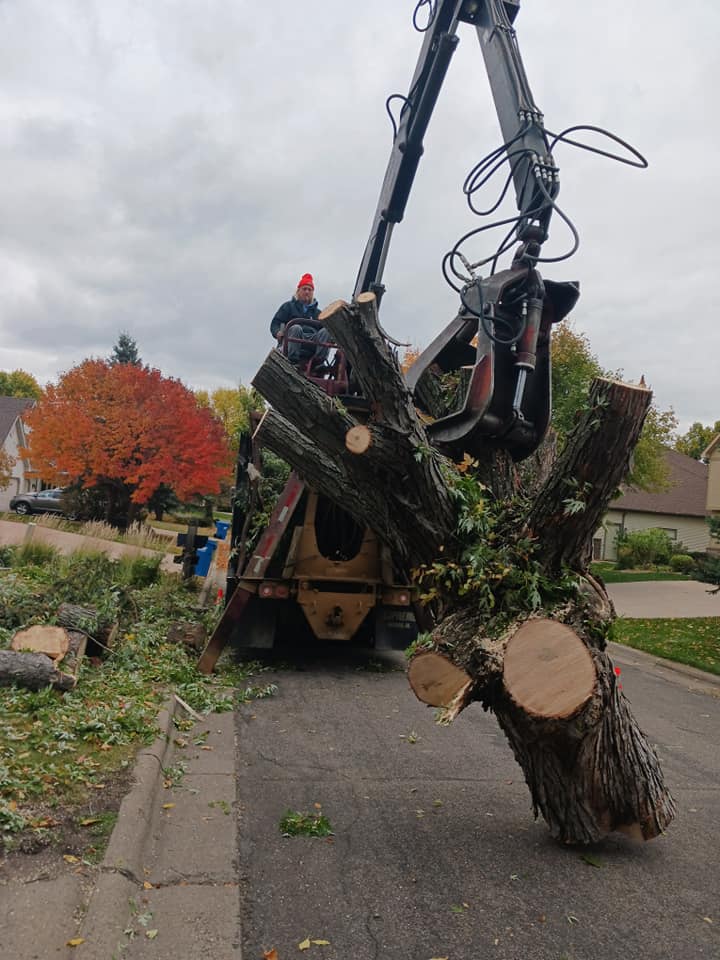
The physical act of uprooting the tree is done with precision. Our experts consider the root ball, which contains the roots along with soil, a crucial element since it supports the tree's immediate nutrient needs once relocated. The root ball is wrapped securely to maintain integrity during the move. The size of the root ball is critical; it must be adequate to support the tree, which typically means retaining a substantial portion of the root system.
Once moved to its new location, it's important to plant the tree at the correct depth. Planting too deep or too shallow can lead to improper root development or even tree death. At Buffalo Family Tree Care, we ensure that the tree’s root flare, where the roots start branching off the trunk, is at ground level. This positioning facilitates proper water and nutrient uptake.
Post-transplant care is the final piece of the puzzle. Newly transplanted trees require special attention to help them establish. Consistent watering, mulching, and occasionally staking the tree for support are part of our care regimen at Buffalo Family Tree Care. Our team will also monitor the tree for pests and diseases, providing interventions if necessary to ensure robust health.
In conclusion, tree transplanting is an intricate process combining science and know-how. Buffalo Family Tree Care is committed to the health and success of your trees, providing expert insight and meticulous care throughout the transplanting process. Whether enhancing your landscape or relocating beautiful specimens, trust Buffalo Family Tree Care to ensure the longevity and vitality of your trees. With our expertise, the transition becomes seamless, allowing your transplanted trees to flourish and continue enhancing the beauty of your property.
/filters:no_upscale()/filters:format(webp)/media/ffde3d30-4cb1-4ecc-bd66-9e43947bb757.jpeg)